
Le Corbusier
Architect Paris / France
 305
305
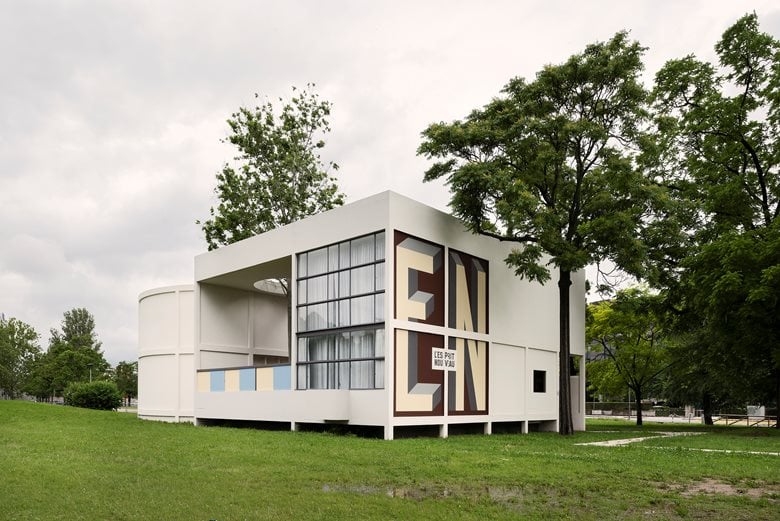 1
1
Padiglione Espirit Nouveau
Bologna / Italy / 1977
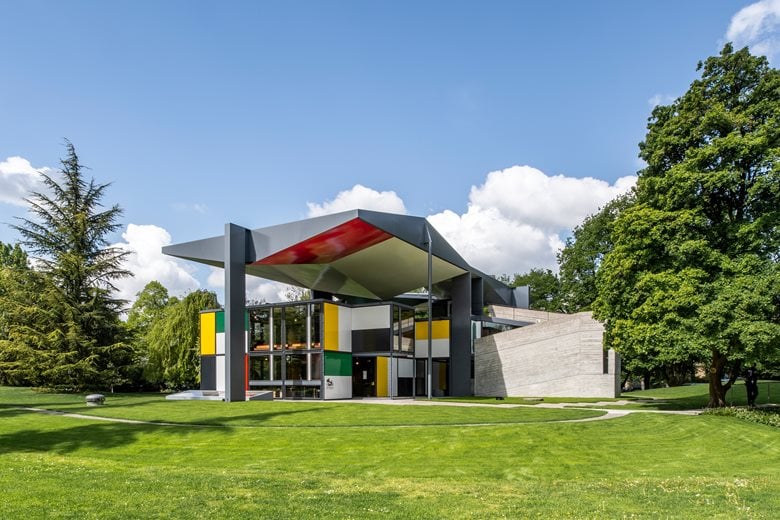 28
28
Pavillon Le Corbusier
Zurich / Switzerland / 1967
 10 1
10 1
Double type E duplex in la Cité Radieuse
Marseille / France / 1952
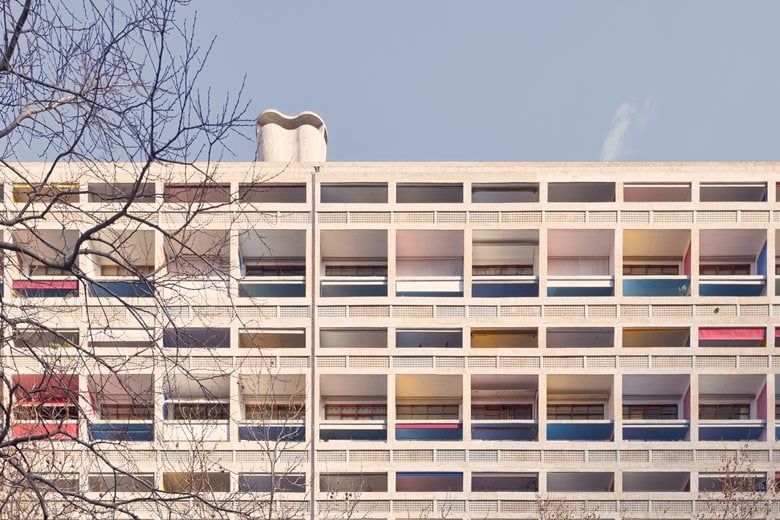 30
30
Unité d'Habitation
Marseille / France / 1952
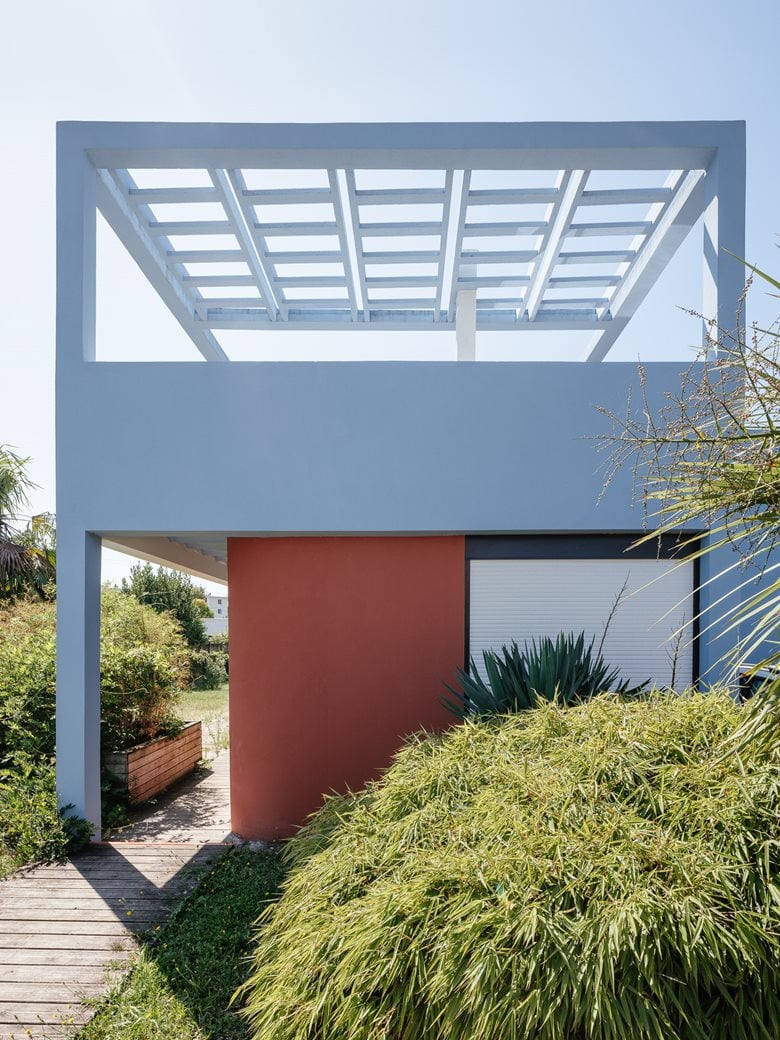 15
15
Cité Frugès
Pessac / France / 1928
Charles-Édouard Jeanneret-Gris, born October 6, 1887 in La Chaux-de-Fonds, in the canton of Neuchâtel, and died August 27, 1965 in Roquebrune-Cap-Martin, better known under the pseudonym of Le Corbusier, was an architect, town planner, decorator, painter, sculptor, publicist and man of letters, Swiss by birth and naturalized French in 1930. He has been one of the main representatives of the modern movement with, among others, Ludwig Mies van der Rohe, Walter Gropius, Alvar Aalto and Theo van Doesburg.
Le Corbusier has also worked in town planning and design. He is known for being the inventor of the «l'unité d'habitation», a concept on which he began to work in the 1920s, the expression of a theoretical reflection on collective housing. "The standard-size dwelling unit" (name given by Le Corbusier himself) will not be built until the reconstruction after the Second World War, in five different examples, in Marseille, Briey-en- Forêt, Rezé near Nantes, Firminy and Berlin. It will take on the value of a solution to the post-war housing problems. Its design envisages in the same building all the collective facilities necessary for life - nursery, laundry, swimming pool, school, shops, library, meeting places.
Le Corbusier has also worked in town planning and design. He is known for being the inventor of the «l'unité d'habitation», a concept on which he began to work in the 1920s, the expression of a theoretical reflection on collective housing. "The standard-size dwelling unit" (name given by Le Corbusier himself) will not be built until the reconstruction after the Second World War, in five different examples, in Marseille, Briey-en- Forêt, Rezé near Nantes, Firminy and Berlin. It will take on the value of a solution to the post-war housing problems. Its design envisages in the same building all the collective facilities necessary for life - nursery, laundry, swimming pool, school, shops, library, meeting places.

- 1887 - 1965 †
- Website
Charles-Édouard Jeanneret-Gris, born October 6, 1887 in La Chaux-de-Fonds, in the canton of Neuchâtel, and died August 27, 1965 in Roquebrune-Cap-Martin, better known under the pseudonym of Le Corbusier, was an architect, town planner, decorator, painter, sculptor, publicist and man of letters, Swiss by birth and naturalized French in 1930. He has been one of the main representatives of the modern movement with, among others, Ludwig Mies van der Rohe, Walter Gropius, Alvar Aalto and Theo van Doesburg. Le Corbusier has also worked in town planning and design. He is known for being the inventor of the «l'unité d'habitation», a concept on which he began to work in the 1920s, the expression of a theoretical reflection on collective housing. "The standard-size dwelling unit" (name given by Le Corbusier himself) will not be built until the reconstruction after the Second World War, in five different examples, in Marseille, Briey-en- Forêt, Rezé near Nantes, Firminy and Berlin. It will take on the value of a solution to the post-war housing problems. Its design envisages in the same building all the collective facilities necessary for life - nursery, laundry, swimming pool, school, shops, library, meeting places.