
Studio Malka Architecture
Architecture Firm Paris / France
 15
15
 3
3
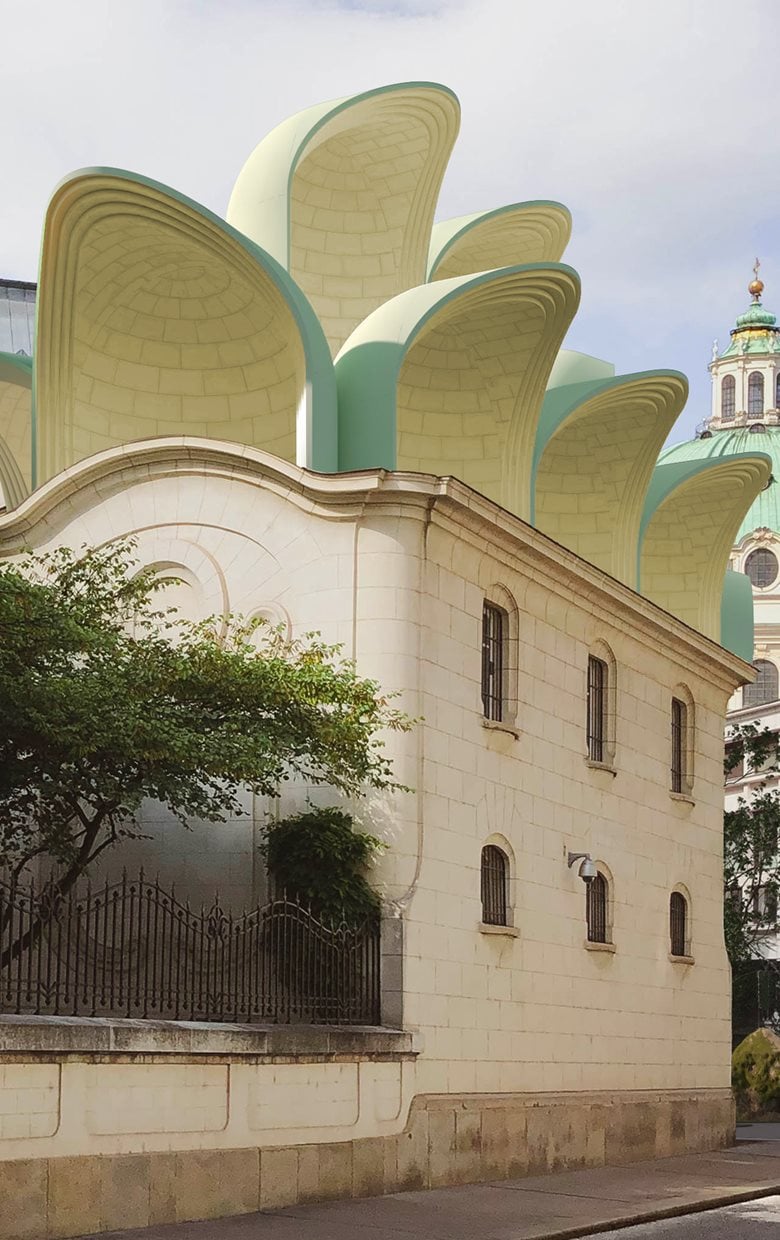
FRENCH EMBASSY IN VIENNA
Vienna / Austria / 2021
 50
50
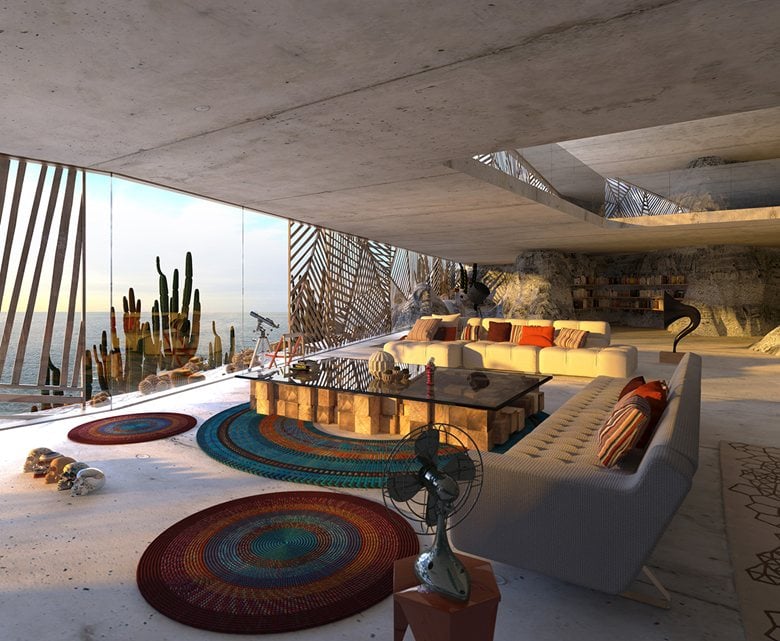
MUGU HOUSE
Malibu / United States / 2017
 29 1
29 1
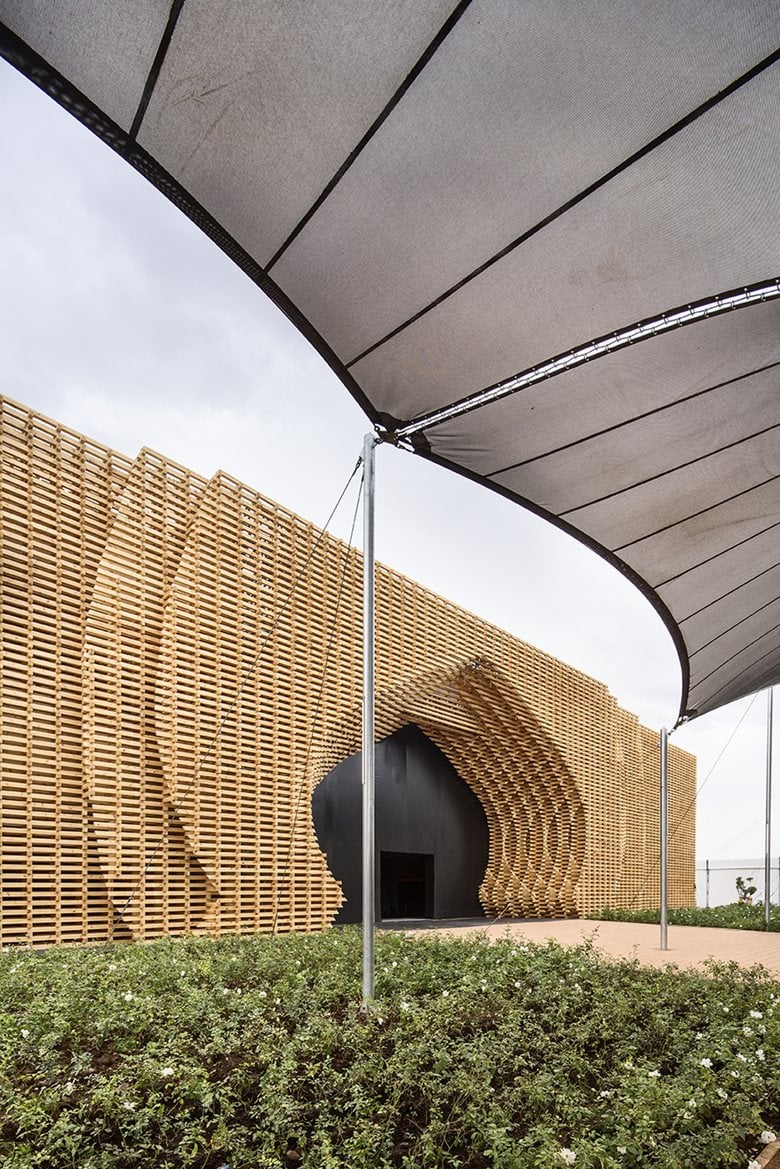
COP 22 Village
Marrakesh / Morocco / 2016
 71
71
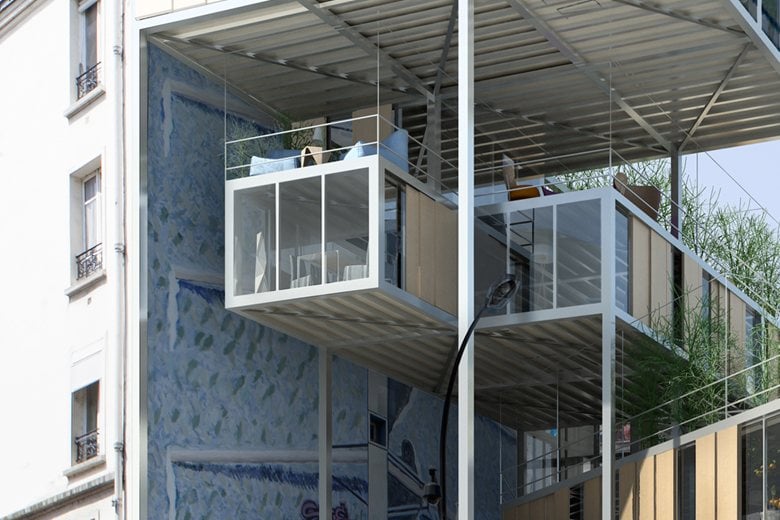
3BOX
Paris / France / 2016
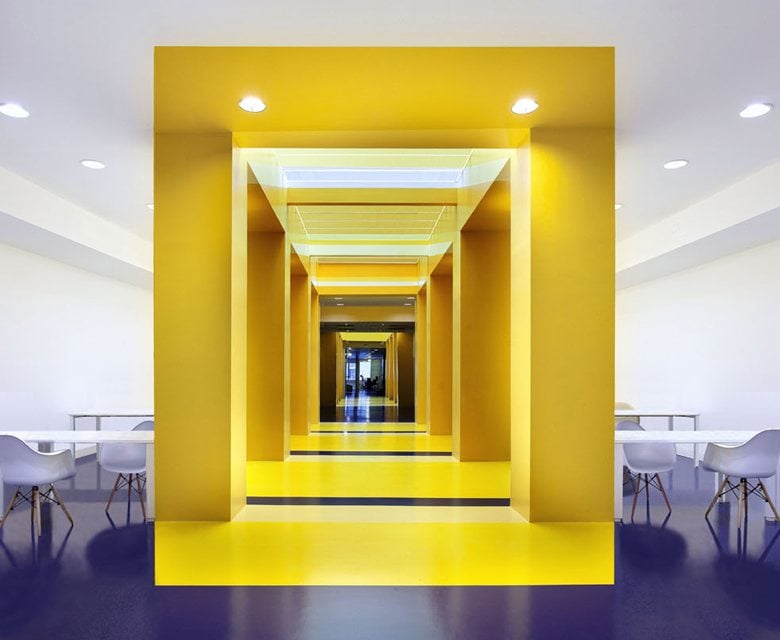 7
7
ADYAX HQ
Paris / France / 2015
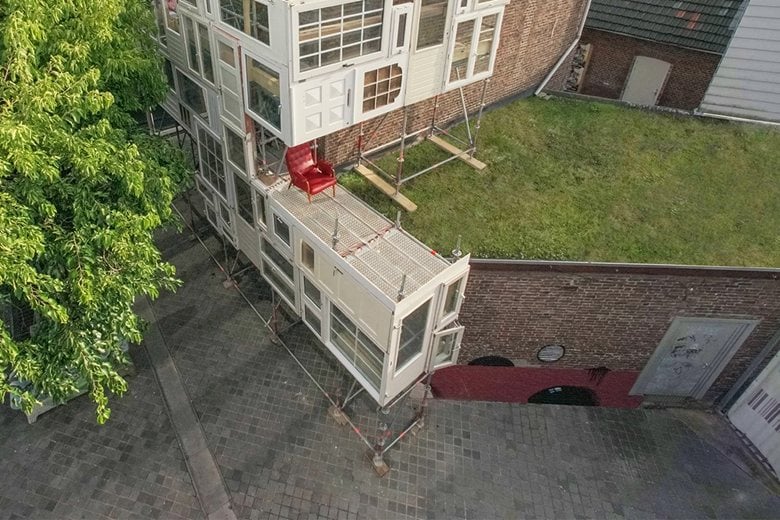 6
6
Bow house
Heerlen / Netherlands / 2014
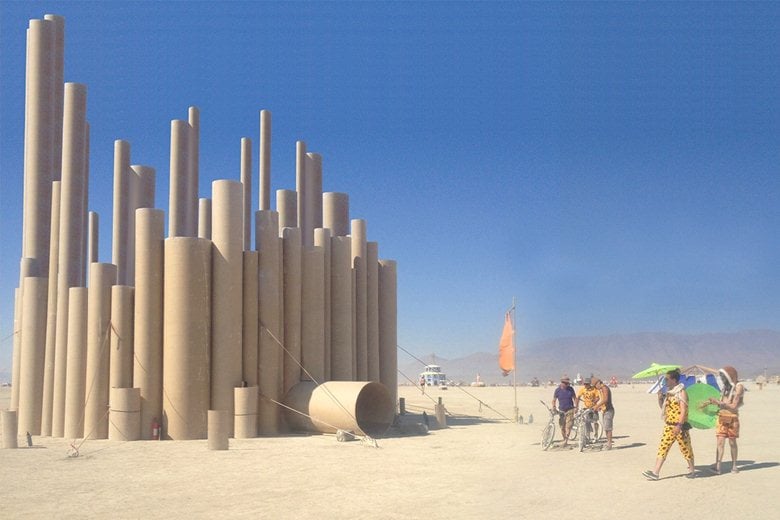 15
15
Loopcamp
Nevada / United States / 2012
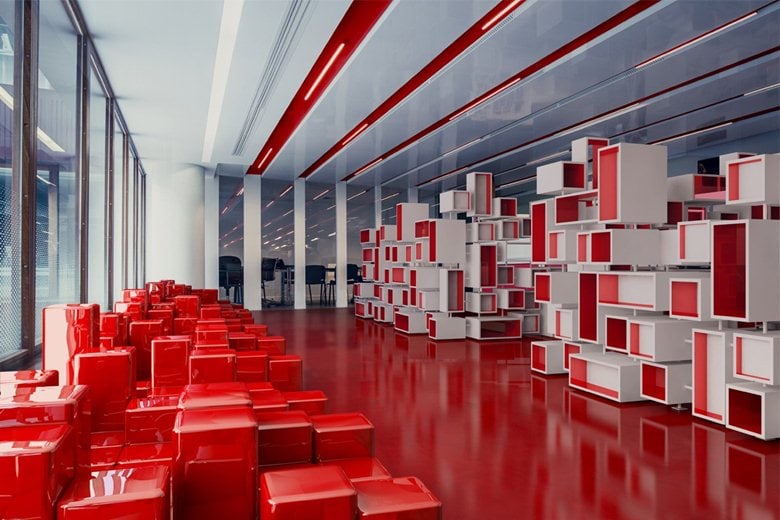 24
24
Ogilvy & Mather new headquarter
Paris / France / 2012
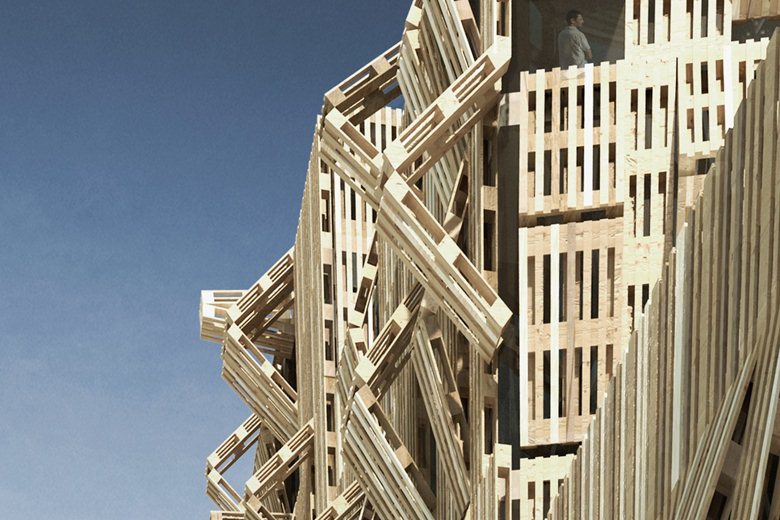 50 1
50 1
Ame-Lot
Paris / France / 2011
The economic crisis has disrupted the foundations of the financial system, leaving the building sector just as dry. From the crisis, it is necessary to reclaim the identity of its constituents: the notions of plan, surface, and modes of living.
Architecture can no longer exist in a unilateral system.
The process of architectural production is not adapted to real needs; it’s costly in time, therefore in money, and increases the gap between architecture and the needs of citizens.
Moreover, it is difficult to speak of “sustainable/environmentally friendly” architecture when the act of building in itself generates environmental degradation. The construction industry results in enormous pollutions of water, air, and land.
In light of these social, economic, and ecologic urgencies, it is necessary to reconsider the city with the logic of transformation: through superposition, addition, and the extension of our built heritage more than through that of a univocal tabula rasa. This means reclaiming territory in the marginalized areas of our cities, with projects that bear insurrection and civic mobilization.
This methodology seeks to promote public participation as an act of resistance against urban restrictions. It is a colonization of neglected public spaces by the participation of a non-specialized labor collective that elaborates on prefabricated and hijacked construction systems.
The land strategy is one of circumvention — a low density of ground occupation allows these structures to be installed in a necessarily legal ambiguity.
It is fundamental to “para-cité” the city, literally, to lean against it, generating an urban vitality that is reactive and affordable, sustaining its effervescence and thus creating new potentials for collective use.
Architecture can no longer exist in a unilateral system.
The process of architectural production is not adapted to real needs; it’s costly in time, therefore in money, and increases the gap between architecture and the needs of citizens.
Moreover, it is difficult to speak of “sustainable/environmentally friendly” architecture when the act of building in itself generates environmental degradation. The construction industry results in enormous pollutions of water, air, and land.
In light of these social, economic, and ecologic urgencies, it is necessary to reconsider the city with the logic of transformation: through superposition, addition, and the extension of our built heritage more than through that of a univocal tabula rasa. This means reclaiming territory in the marginalized areas of our cities, with projects that bear insurrection and civic mobilization.
This methodology seeks to promote public participation as an act of resistance against urban restrictions. It is a colonization of neglected public spaces by the participation of a non-specialized labor collective that elaborates on prefabricated and hijacked construction systems.
The land strategy is one of circumvention — a low density of ground occupation allows these structures to be installed in a necessarily legal ambiguity.
It is fundamental to “para-cité” the city, literally, to lean against it, generating an urban vitality that is reactive and affordable, sustaining its effervescence and thus creating new potentials for collective use.

- Address 12, rue de la Fontaine au Roi, 75011 Paris | France
- Tel +33(0)142035052
- Website
The economic crisis has disrupted the foundations of the financial system, leaving the building sector just as dry. From the crisis, it is necessary to reclaim the identity of its constituents: the notions of plan, surface, and modes of living. Architecture can no longer exist in a unilateral system. The process of architectural production is not adapted to real needs; it’s costly in time, therefore in money, and increases the gap between architecture and the needs of...

- Stephane Malka
- Founder